What’s considered “regional”?
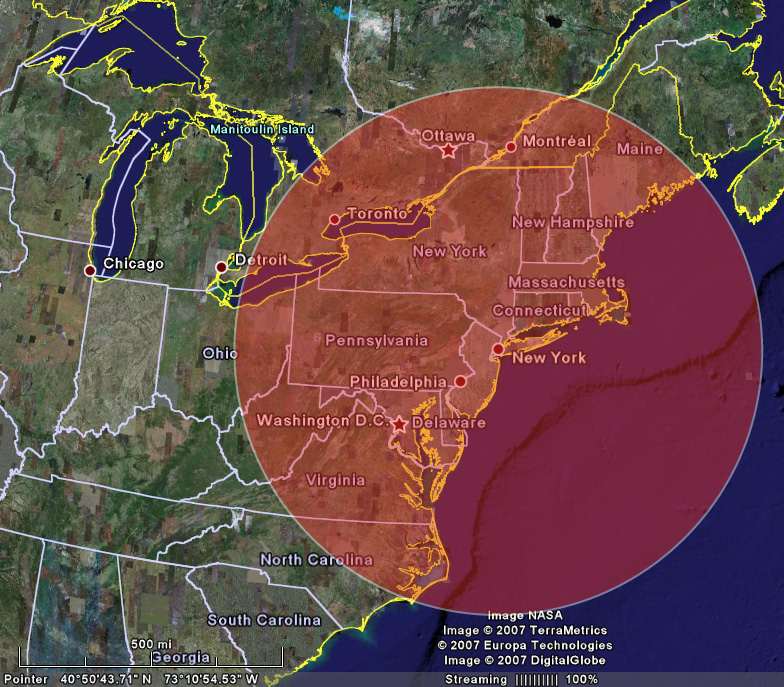 Regional materials are those that are extracted, harvested, or manufactured within 500 miles (as the crow flies) of your project site.

Regional materials are those that are extracted, harvested, or manufactured within 500 miles (as the crow flies) of your project site.
You can easily earn this point, simply by including a LEED Accredited Professional (LEED AP) as an integral member of the project team. Since the LEED certification process relies on detailed understanding of LEED, having a LEED AP on board benefits the project and can save significant time and effort, while earning your project a point with this credit.
The LEED AP needs to be involved as a “principal participant” from the start of the project, according to the credit language.
To earn this credit, implement an occupant comfort survey and take steps to remedy problems identified through survey responses. The credit is readily achievable and can help make your occupants happier.
You’ll need to implement two forms of thermal comfort monitoring for this credit:
This credit addresses the conditions that building occupants experience, not the measured conditions inside the ductwork or HVAC system.
The cost of the credit will vary depending on how much equipment is already installed or available in-house and whether building staff can take the required periodic measurements within occupied spaces.
For energy conservation, 'where' you build could matter more than 'what' you build.
One of the things I like most about my seven-mile bicycle commute into work is the chance it affords me to just think about stuff in an unfocused way. When I drive to work (more often than I'd like) I usually have the radio on, letting the "Morning Edition" reporters direct my thoughts.
Measurement and verification (M&V) involves recording actual energy use over the course of occupancy, and comparing that data with the estimated energy use seen in the design. The M&V process ensures all systems are performing as specified and identifies any anomalies in equipment, operations procedures or user habits. In addition, an M&V plan can help reduce energy costs, assist with commissioning, and, over time, document and improve the efficiencies of energy conservation measures.
This credit rewards projects with up to six points for using renewable energy either through the purchase of green power (RECs and carbon offsets), the use of onsite renewable systems, or a combination of the two.
The decision to approach this credit through onsite or off-site renewable energy generally comes down to the following:
Regular readers might remember the toilet-flushing video from March that showed ridiculous quantities of carrots, chess pieces, Gummi bears, hot dogs, plastic letters and numbers, grapes, golf balls, and dog food getting flushed. Fun, but it didn't qualify for GreenSpec because it only met the federal minimum standard for water use. Well, here's one that does.
If your project building has received a previous LEED certification under LEED for New Construction (LEED-NC), LEED for Schools, LEED for Healthcare, or LEED for Retail: NC, achieving this credit is a simple matter of providing the official LEED scorecard. If you can’t find it, ask USGBC for help.
Buildings certified under LEED for Core and Shell (LEED-CS) must also have at least 75% of the floor area certified under LEED for Commercial Interiors (LEED-CI). Buildings with LEED-CI certification only do not qualify.
This year's expo hall in Phoenix boasts over 1,800 exhibit booths showcasing the latest in innovative products and services.Were you there last year? That was 800 booths. Double that, and add some.