
Do your research
Research credit-compliant products, including plywood, MDF, door cores, laminate countertops, and other composite materials before construction begins helps to ensure that the right products are used. Early research helps avoid costly change orders and mistakes that would disqualify you from earning the credit.
While most of the focus in this credit is on composite wood, make sure to check the laminate adhesives used by manufacturers in products such as countertops, doors, flooring and millwork that has adhered edging, laminates, and veneers.
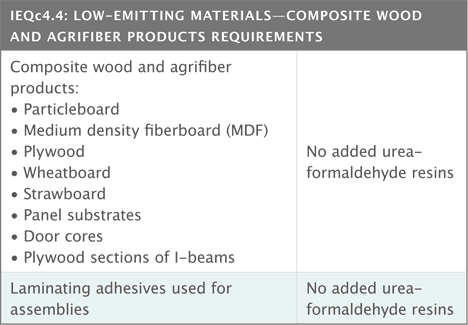 Like most of the other low-emitting materials credits, this credit is all-or-nothing.
 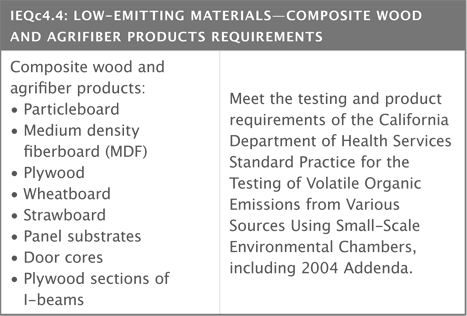 The credit language states that school projects have to use composite materials and laminating adhesives that meet the testing and product requirements of the California Department of Health Services protocol. This is a stringent chamber test that detects certain types of VOCs and determines the rate of offgassing.
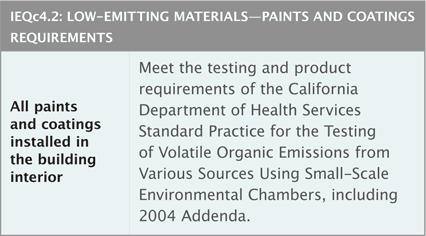 Like the similar credit,