
Schöck Isokorb for Controlling Thermal Bridging
Isokorb K uses EPS to reduce the thermal bridging at cantilevered concrete slabs.
by
A German system for reducing thermal bridging in commercial construction looks like a real winner.
In commercial buildings where cast-in-place, reinforced-concrete balconies extend through the insulated building envelope, tremendous heat loss occurs, and this thermal bridging often leads to condensation and associated mold problems. The German company Schöck Bauteile, GmbH, has the answer with the Isokorb product line.
How Isokorb works
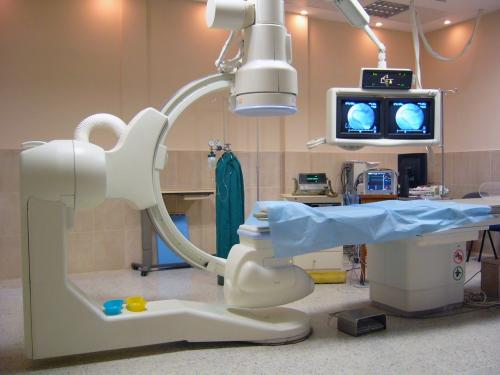 Medical equipment represents significant energy loads in healthcare facilities, yet there are no clear standards currently available to compare power consumption across brands or identify the most energy-efficient units.
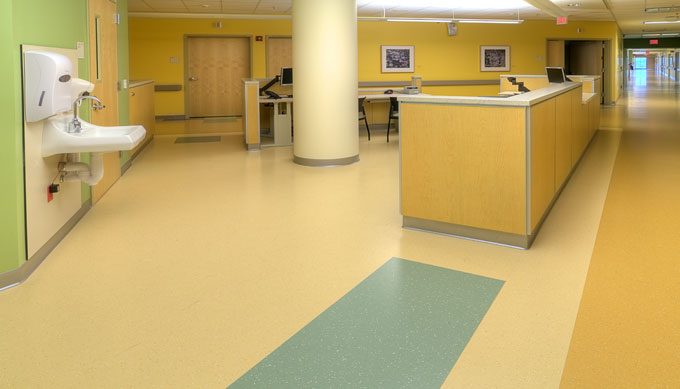 The PBT Source Reduction pilot credit encourages project teams to explore alternatives to building products and materials that may contain ingredients that have a harmful effect on human health. The credit specifically promotes alternatives assessment and avoidance of building products which contain certain halogenated compounds.
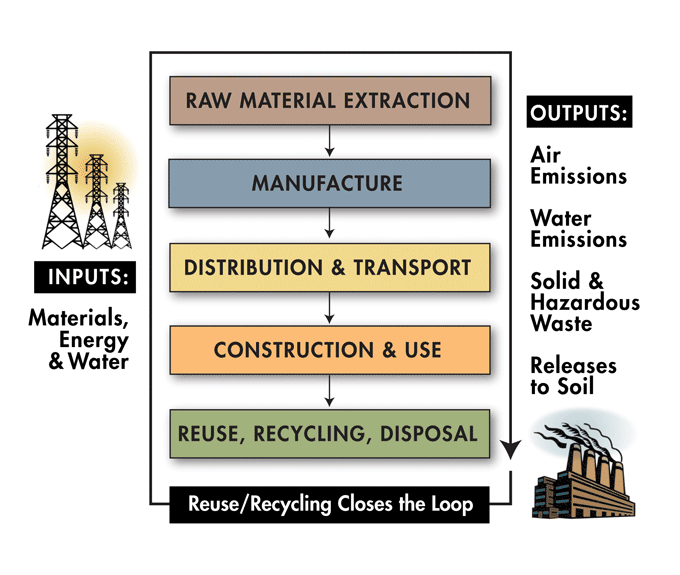 This credit connects the real-world application of the LEED rating systems to the evolving field of life-cycle assessment (LCA).

