
You can often earn this with existing meters

Many buildings already have meters in place that measure whole-building energy use and therefore satisfy this prerequisite. 

Those projects simply need to track energy use in one-month intervals (at minimum), compile monthly and annual energy use summaries, and commit to sharing energy data with USGBC for five years in order to meet the remaining requirements of this prerequisite. Projects must share electrical demand data for five years as well, if it is metered. 
Create and implement a purchasing policy

This highly achievable prerequisite requires you to create and implement a compliant purchasing policy aimed at increasing procurement of environmentally preferable products. Teams should be able to create purchasing policy with in-house staff at little to no additional cost. While switching to environmentally preferred products may add cost in some cases, you only have to demonstrate actual compliance with the policy if you pursue the related credit.

Watch out for the curveball

Your team must develop and adopt a compliant ongoing purchasing and waste policy to achieve LEED certification, since this is a prerequisite policy.

However, you only have to demonstrate actual compliance with the policy if you pursue the related credits. The exception to this (here’s the curveball!) is for ongoing waste diversion. This prerequisite requires you to either divert 75% of ongoing waste (and achieve MRc4: Solid Waste Management – Ongoing), or conduct a waste audit.

Thoroughly vet your energy performance

Your building must achieve an Energy Star score of at least 75 in order to meet this prerequisite and be eligible for LEED certification. This is a big change from LEED 2009, where the minimum score was 69. This update makes LEED v4 more difficult to pursue.

Teams should assess this prerequisite thoroughly before jumping into the LEED certification process. It’s also a good idea to get the official Energy Star label for your building during the performance period to help streamline the LEED review. 

Benefits of commissioning

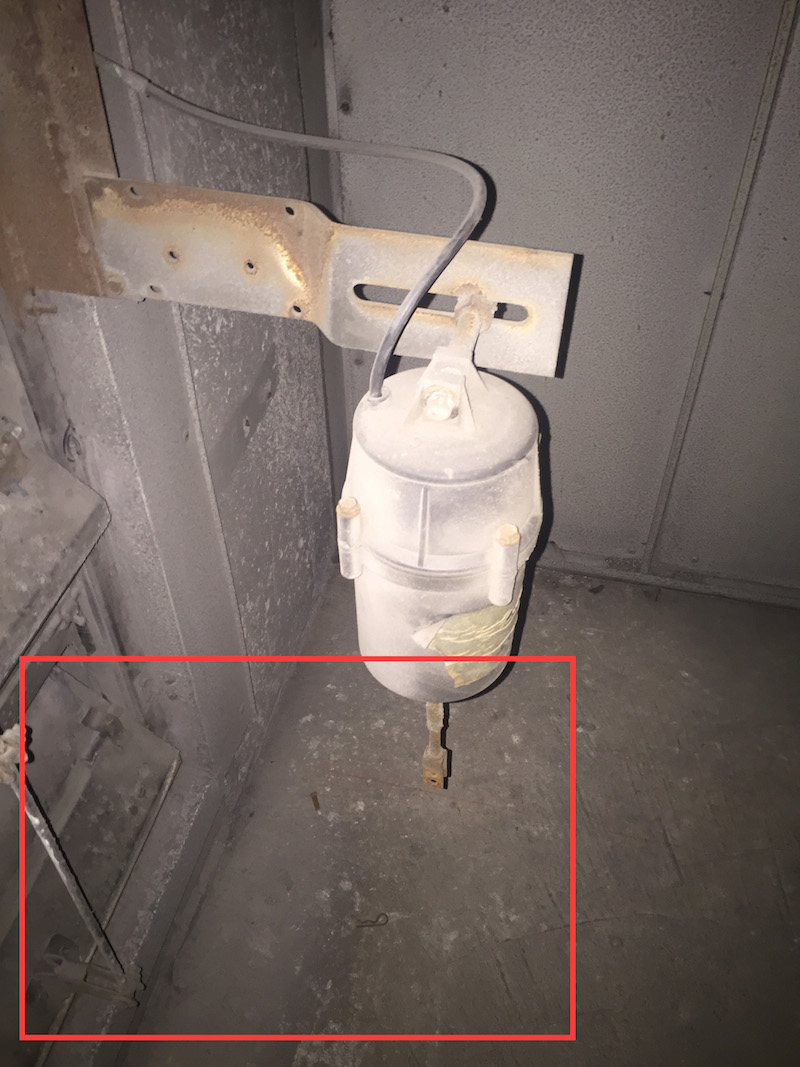
Disconnected damper actuatorBenefits of commissioning 

Commissioning is a quality-assurance process that is applied to systems to prove that performance meets a specification. Commissioning has a long history going back to analog technologies (its origins are in shipbuilding), but digital control of building systems makes it even more crucial today.

Benefits of commissioning

Disconnected damper actuatorCommissioning is a quality-assurance process that is applied to systems to prove that performance meets a specification. Commissioning has a long history going back to analog technologies (its origins are in shipbuilding), but digital control of building systems makes it even more crucial today. Computer control of building systems means that it is impossible to see by observation if HVAC and other systems have been programmed correctly.

Buildings Are Puzzles: Here’s How to Solve Them Without Going Crazy

The easiest way to get a building science puzzle wrong is to “solve” it without all the pieces. Take your time and listen to my wife—just like I do.
by Peter Yost

Just about every week, I get a call or an email that turns into a building science puzzle. While the problems are varied, how you solve them doesn’t change. First, you understand how heat and moisture move through building assemblies. Second, you follow the advice of your spouse.

My wife of 27 years is a real master at jigsaw puzzles, and she would laugh to learn that I think of myself as a puzzle master of any sort, since I am useless at them. But she completely agrees that I should use her method of solving jigsaw puzzles in my work on building science problems.

Read more »