
Buildings with the potential for realizing cost-effective energy savings opportunities are strong candidates for this credit. The credit will take some effort, but buildings with an Energy Star rating between 40 and 70 are particularly good candidates for seeing a healthy payback.
Commissioning vs. auditing
This credit gives you the choice of engaging in commissioning or performing an ASHRAE Level II Energy Audit, so start by deciding which is best for your project. Both processes are very doable and likely to result in energy and cost savings for your project building.
The auditing process is akin to an annual checkup where the doctor does some basic tests and asks you if you’ve noticed any problems. Commissioning is more like a full-fledge physical with stress test that allows you to uncover and tease out problems that wouldn't be evident otherwise.
In-house or third party?
For either commissioning or auditing, projects teams can perform the work in-house or hire a third-party professional.
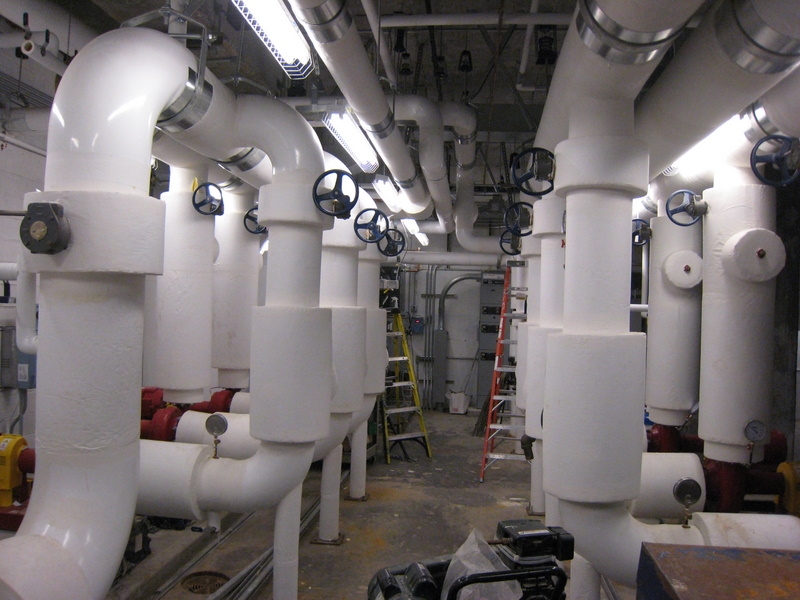 As one of the first steps, determine if the team has the expertise to undertake either commissioning or the audit, or if the project would be better served by hiring a third party. The following are marks of teams prepared to do the work in-house:
- previous experience performing energy audits or commissioning;
- good understanding of how the building systems work together and are intended to operate under various conditions;
- and have a strong understanding of energy efficiency measures in building operations.
Choosing the path for your project
Commissioning is generally a more rigorous and technical process as well as costing somewhat more, while also leading to greater long-term operational savings compared with the audit. However, the audit path typically is easier to do with in-house staff, and is the more common path taken for this credit.
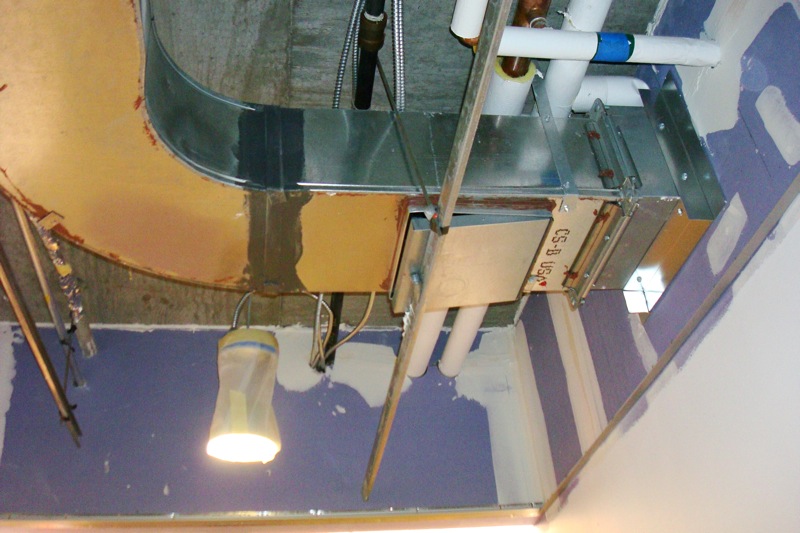 Commissioning is often appropriate for buildings with the following characteristics:
- newer buildings that were not commissioned following construction;
- buildings with IAQ problems;
- buildings with persistent equipment failure;
- or buildings with energy management systems.
Auditing may be more cost-effective for all other buildings.
Related LEED credits
Projects that pursue this credit generally also pursue EAc2.2: Existing Building Commissioning—Implementation. In EAc2.1, the project team investigates energy conservation measures, and in EAc2.2 all low-cost and no-cost measures are implemented.
EAc2.3: Existing Building Commissioning—Ongoing Commissioning creates an ongoing commissioning program. Projects pursuing EAc2.3 should use the commissioning path to pursue this credit. The auditing option of this credit does not support EAc2.3.
Consider these questions when approaching this credit
- Can we use in-house staff to achieve this credit?
- Do we want to establish an ongoing commissioning program for the building (with EAc2.3), and therefore should pursue Option 1 in achieving this credit?
- Does our Energy Star Energy Performance Rating indicate that our building would benefit from commissioning or auditing activities? Buildings with an Energy Star Rating between 40 and 70 are often the best candidates for realizing cost-effective energy savings opportunities from the process.
- Do the building occupants regularly have thermal comfort issues and/or indoor air quality complaints? If so, there is a good chance that building systems are not operating as intended, which can tip you off to areas of opportunity for energy savings and IAQ improvement. Investigate these issues during the commissioning or auditing process.
- When was the building last commissioned or audited? Have any major systems been upgraded or altered since that process was completed?