Significant energy demands
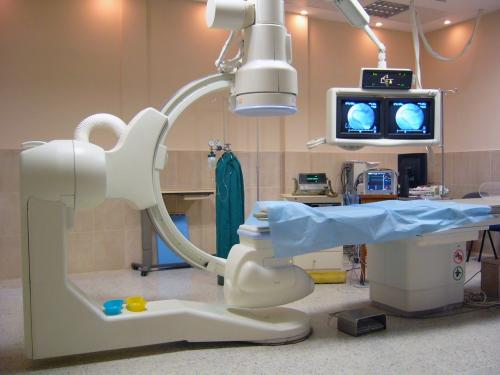 Medical equipment represents significant energy loads in healthcare facilities, yet there are no clear standards currently available to compare power consumption across brands or identify the most energy-efficient units.

Medical equipment represents significant energy loads in healthcare facilities, yet there are no clear standards currently available to compare power consumption across brands or identify the most energy-efficient units.
Note: This pilot credit was closed for new registrations as of March 1, 2012.
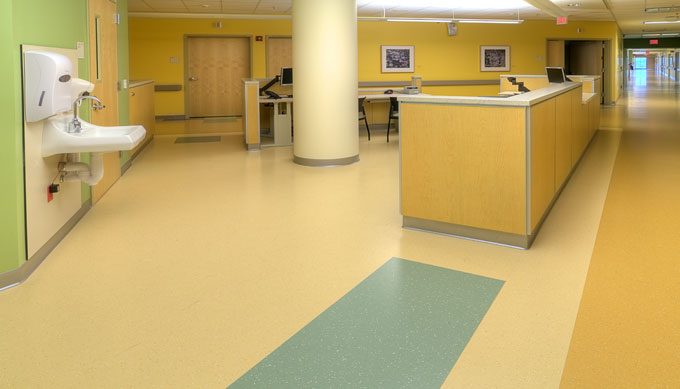 The PBT Source Reduction pilot credit encourages project teams to explore alternatives to building products and materials that may contain ingredients that have a harmful effect on human health. The credit specifically promotes alternatives assessment and avoidance of building products which contain certain halogenated compounds.
Note: This pilot credit was closed for new registrations as of March 1, 2012.
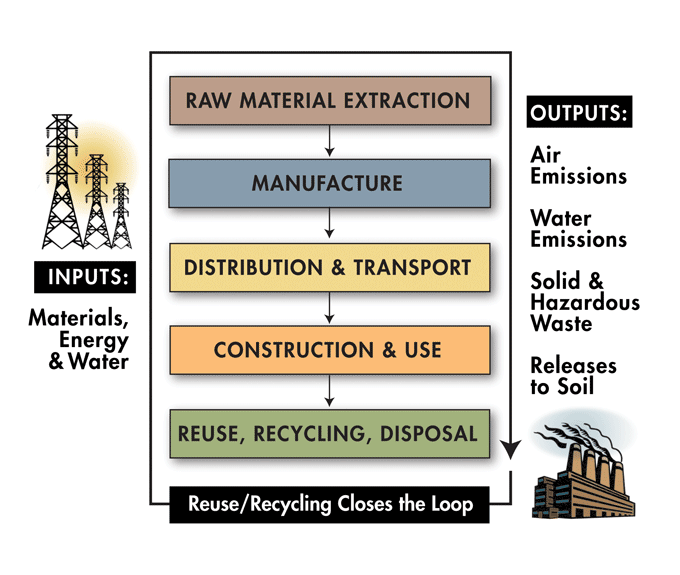 This credit connects the real-world application of the LEED rating systems to the evolving field of life-cycle assessment (LCA).
High relative humidity is a significant problem in many regions of the country during the summer months. In hot weather, the higher the humidity, the less comfortable we are--partly because moisture does not evaporate from our skin as readily.
A new gas-filled panel insulation material that consists of pockets of low-conductivity gas in a honeycomb foil substrate provides insulation levels as high at R-11 for inch-and-a-half-thick panels.
About gas-filled panels
You would think that establishing a definition for “showerhead” would be simple. But, as the Department of Energy (DOE) is discovering after issuing a draft interpretive rule on the matter, nothing is simple when it comes to getting people wet.
We're into those hot days of summer--really hot--with temperatures predicted in the mid- to upper-90s, even in Vermont, this week.
The July 2010 issue of Environmental Building News asks whether we should end our love affair with all-glass buildings. The short answer is "yes." With most large commercial buildings there is an energy penalty associated with increasing the glazing area beyond 20 to 30 percent.
Pursuing SSc4.4: Alternative Transportation—Parking Capacity in the LEED 2009 NC, CS, and Schools rating systems just got a little more expensive for some projects—$118.75 more to be exact.


