There are three options for complying with this credit, and in each case completing a transportation survey is the first step. The survey assesses how many conventional commuting trips are taken by occupants compared to a baseline case that assumes every occupant commutes alone in a conventional vehicle to and from the building every day.
The results of your survey will tell you which credit options are available to you and how many points you can earn, so it’s a good idea to complete this survey early in the project timeline.
Breaking down the options
Option 2 provides the opportunity to earn the most points. You’re eligible for this option if your survey results demonstrate an alternative transportation rate of at least 10%. The higher your alternative transit rate, the more points you can earn. There are a total of 15 points on the table for this option (or 16 points if you reach an 80% alternative transit rate, which qualifies you for an Exemplary Performance point).
If your resulting alternative transportation rate is less than 10%, you can still earn one point through Option 1. This gives teams some credit for taking steps to understand commuting patterns, even if the resulting reduction in conventional commuting is small.
Option 3 provides another way to earn points if your alternative transit rate is less than 10%. For this option you must conduct the survey and also implement a program to encourage the use of alternative transit. Because you’re taking the extra step to implement an alternative transit program, this option is worth two points.
Public transit is not required
Some teams assume that they wont earn many points if their building doesn’t have good public transit access. It’s true that urban projects with more public transit options are likely to earn more points under Option 2.
However, other, less obvious, modes of alternative commuting can also help your survey results. These include telecommuting, carpooling, compressed work week, and use of green vehicles. In addition, Option 1 and Option 3 provide two other opportunities to pick up points even if your building has limited access to public transit.
Conducting the transit survey
 Completing a survey is the first requirement for each of the three options. You can use an electronic survey or conduct it in-person (often referred to as the “lobby blitz” approach). The Reference Guide includes lots of good examples and tips for choosing an electronic versus lobby blitz style survey; surveying a random sample of the building population; and optimizing your overall strategy to get the best results.
You can also use the survey results from a local or regional program, provided that the survey meets some specific requirements detailed in the FAQ section below.
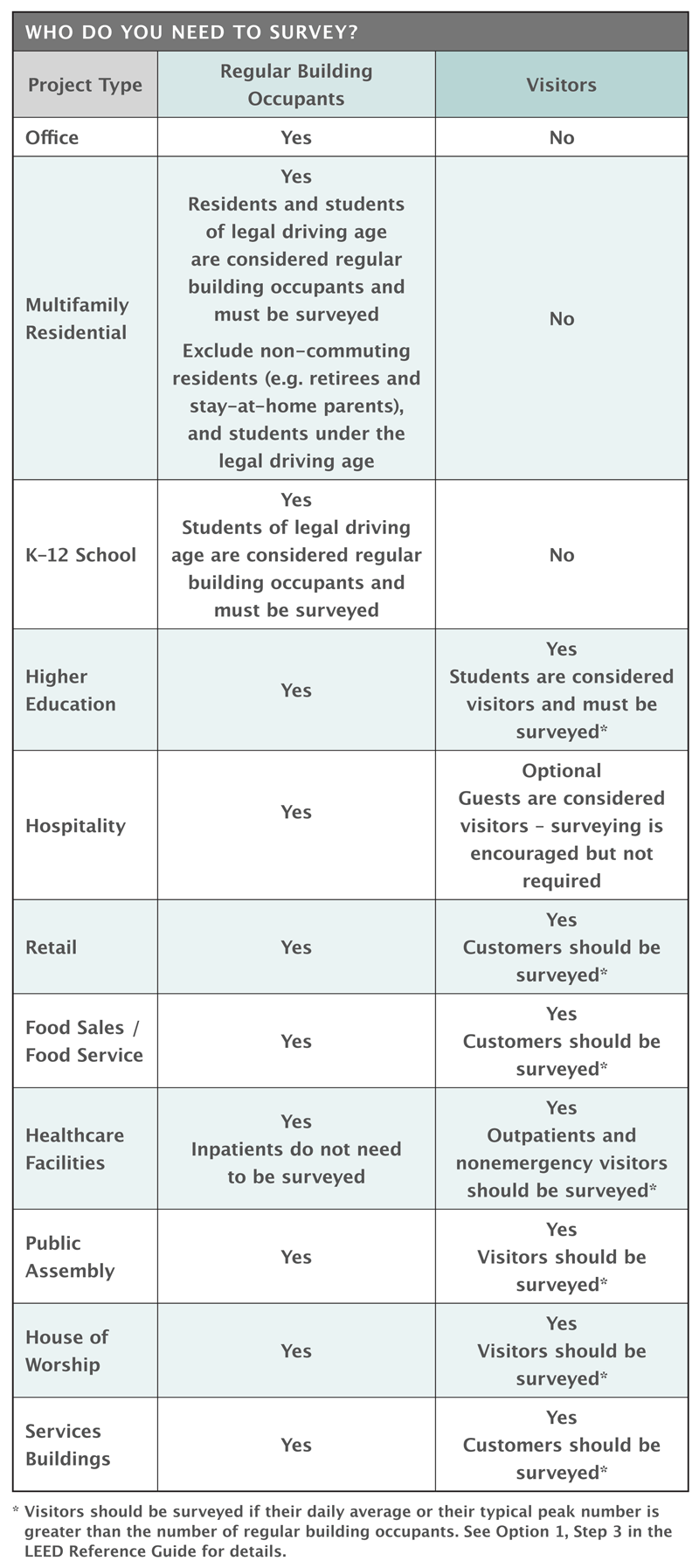
Be sure to survey the right building users
In some cases you may need to survey both building occupants and visitors. Your building type will determine who needs to be surveyed.
Alternative transportation program costs may vary
The time and costs associated with implementing an alternative transportation program will vary depending on the strategies you include and whether you already have any staff, processes, and policies in place that support your program.
Good commute-reduction programs typically require staff infrastructure, good oversight of compliance and tracking, and a financial incentive of some kind to encourage participation. However, there are many low-cost strategies that can boost the use of alternative transportation, such as creating educational handouts for new hires, providing preferred parking for rideshares, and offering telecommuting.
Readiness Review Questions
- Does building management currently track alternative transit use as part of a local or regional government program?
- Does an alternative transportation program providing information, infrastructure, or incentives currently exist at the building? Could that program be readily enhanced in a manner likely to increase use of alternative commuting options?
- Do you have the capacity to distribute an occupant commuting survey and tabulate the results? You can use an online survey tool (which tabulates the results for you), an email survey, or a paper survey.