
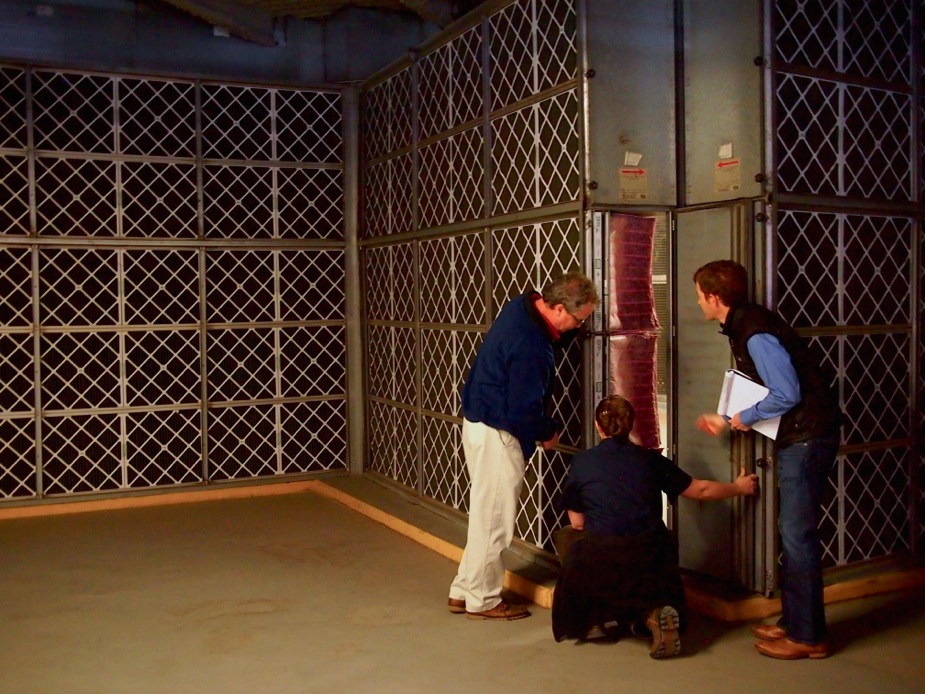
 This credit offers the option to pursue a commissioning process or conduct an ASHRAE Level II audit. The LEED v4 credit is very similar to the LEED 2009 version of the credit.
Here we’ll address common questions that come up when pursuing this credit:
- What’s the real difference between commissioning and auditing?
- Which process is right for my building?
- Who can and should do the work? Who’s qualified?
We’ve also gathered resources on the added value of this process in the Resources tab.
The difference between auditing and commissioning
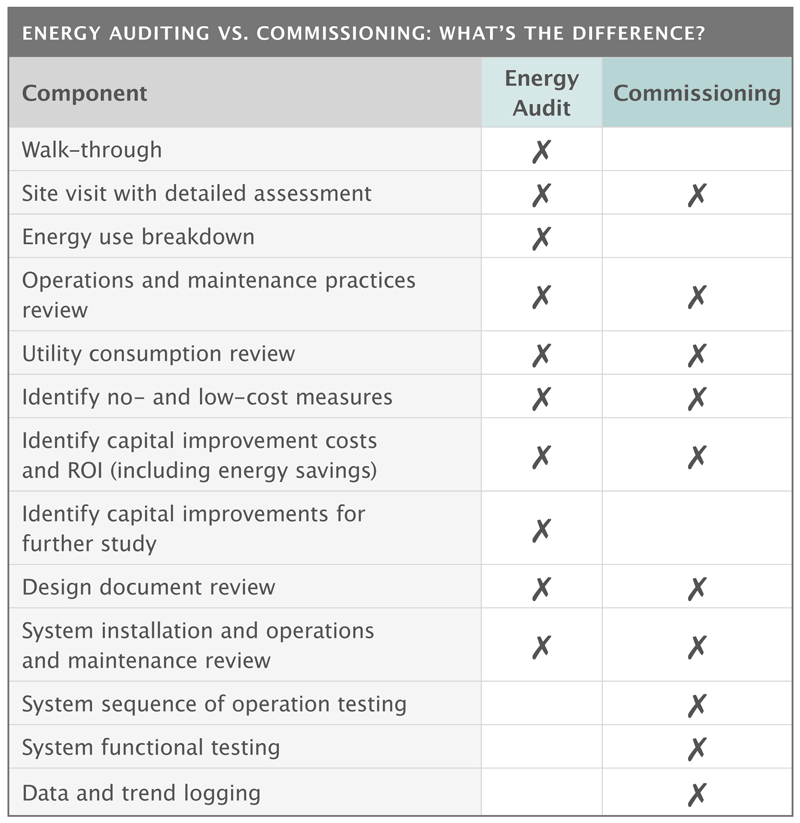
The outcome of either auditing or commissioning will be very similar, hence the either/or option for this credit. Both processes try to maximize energy savings and energy cost savings, as well as identify cost-effective improvements. They also apply many of the same processes in their investigations. These processes include analyzing energy consumption over time, developing a breakdown of energy end uses in the building, spending time in the building to observe operations, and reviewing building automation system (BAS) trend data when available.
The major difference between the two processes is that commissioning involves functional testing of the building equipment. During testing, equipment is run through its sequence of operations to verify that it responds appropriately to commands from the BAS given certain conditions. For example, functional testing might verify that the outside air dampers of an air-handling unit open to 100% when certain outside conditions are met, in order to trigger the economizer mode.
Functional testing is great way to find out when systems have “drifted” from their intended operations. And because solutions to problems are often remedied with adjustments to the BAS controls or components of the controls system (rather than equipment upgrades), functional testing typically provides improvement measures with very attractive paybacks.
On the other hand, the auditing process invests more time into investigating equipment upgrades (lighting, motors, drives, etc.) and assessing the anticipated costs and benefits of pursuing these upgrades in more detail. That said, audits also include investigations of operational measures, and operational issues can be uncovered by reviewing equipment schedules, setpoints, and trend data for equipment, either from BAS data or through temporary monitoring equipment.
The table below outlines activities that are typically performed during auditing, commissioning, or both.
Which process is right for your building?
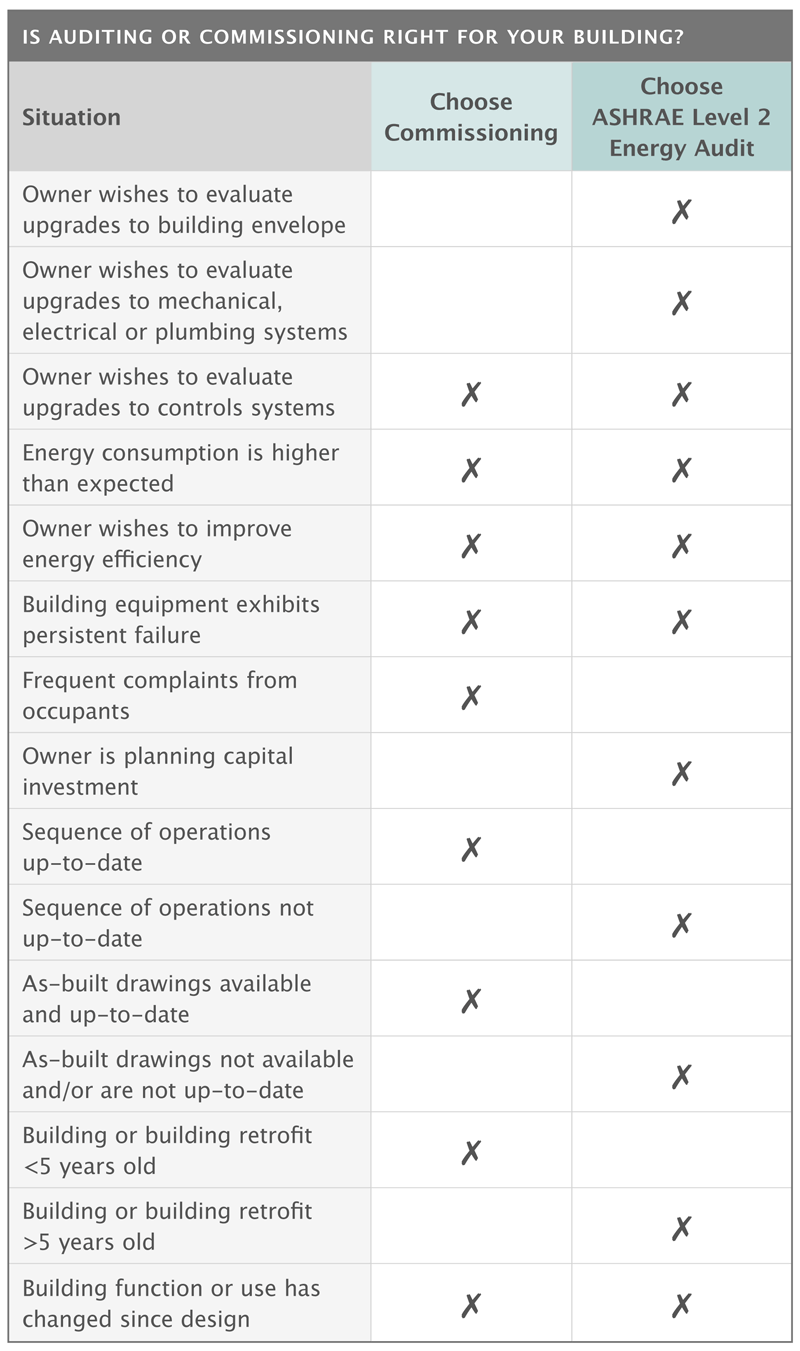
Because auditing and commissioning both aim for the same end result (energy and energy cost savings), the best process likely depends as much on the current condition of your facility and the goals of the owner as anything else. See the table for key considerations.
Making sense of commissioning and auditing credentials
Whether you’re looking to hire someone to conduct auditing or commissioning, or you want to differentiate yourself and your firm from the competition, it’s important to understand the range of professional certifications available and what those credentials signify.
Our guide summarizes common credentials for existing building auditing and commissioning professionals. Is one better than another? Maybe, but it depends on what you’re looking for. As an example, only Professional Engineers may sign, seal, and submit drawings to a public authority for approval, but they might not have experience facilitating the commissioning process in an existing building.
LEED v4 is agnostic about who conducts the ASHRAE Level II audit or existing building commissioning investigation for this credit. You may have individuals in-house who are qualified to conduct these tasks, or you may not. You also might want to bring in a third-party firm with more experience to provide an unbiased assessment or to free up time for internal staff to manage other areas of the building’s operations, or there might be other considerations outside of LEED that call for a third party, such as a performance contract. Thinking through your goals and specific needs can help steer you towards the best fit.
Notes: "What's the difference" table is adapted from Facility Engineering Associates, P.C. "Right for your building?" table adapted from LEED Reference Guide.
Readiness Review Questions
- Can you use in-house staff to achieve this credit?
- Do you want to establish an ongoing commissioning program for the building (with EAc3), and therefore should pursue Option 1 for this credit?
- Does your Energy Star rating indicate that your building would benefit from commissioning or auditing activities? Buildings with an Energy Star rating between 40 and 70 are often the best candidates for realizing cost-effective energy savings opportunities from the process.
- When was the building last commissioned or audited? Have any major systems been upgraded or altered since that process was completed?
- Do building occupants regularly have thermal comfort issues and/or indoor air quality complaints? If so, there’s a good chance that building systems are not be operating as intended, which can tip you off to areas of opportunity for energy savings and IAQ improvements. Investigate these issues during the commissioning or auditing process.