
EAp2 requires that 50% (by power rating) of new equipment and appliances purchase for the LEED-CI scope of work be Energy Star labeled. Projects that go beyond the 50% requirement can achieve up to four additional points under EAc1.4 by specifying 70%, 77%, 84%, or 90% Energy Star equipment.
…But keeping track of the wattage is a chore
Completing the rated power listing for each appliance and piece of equipment is the most time-consuming part of this credit. The LEED documentation requires not just checking a box to confirm that equipment is Energy Star; you will also need to assign a rated power to each model of appliance, computer, monitors, etc., which sometimes requires pulling the specification sheet or looking on the device’s nameplate.
In the past GBCI has allowed a shortcut: you could use standard rated power values from Table 2 in the LEED Reference Guide, but LEEDuser has found that this is no longer allowed.
Rated power is not the amount of power a piece of equipment will actually use, but simply the “nameplate power.” It represents the capacity of the unit and is the maximum that it will draw. The actual power used by equipment or appliances is often less than half the rated power. Rated power is what you have to use for the calculations for this credit.
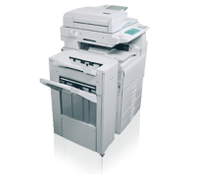 Pay attention to types of equipment to include
Calculations for achieving this credit have to include all of the following, provided they are available in an Energy Star labeled model and are in your project's scope of work to purchase or install new:
- appliances
- office equipment
- electronics
- commercial food service equipment.
If an entire product type is not Energy Star labeled, that equipment is excluded from your calculations. Conversely, equipment outside the four categories that is Energy Star labeled must be included in your calculations. HVAC, lighting, and building envelope products are excluded from calculations for this credit.
Any categories added to the Energy Star list as the program grows may be used in the project team’s calculation. You can check out the Energy Star website for updates to product categories.
Understand how old vs. new equipment is treated
When LEED 2009 was released in June 2009, the LEED Reference Guide described this credit as referring to all equipment used on the project, whether new or existing. However, as clarified in the April 2010 LEED addenda from USGBC, the credit is only applicable to equipment installed or purchased new for the scope of work covered by the LEED-CI project. This clarification, which also applies to EAp2 means that project teams have neither an incentive or a disincentive to replace older equipment. Teams may choose to purchase newer, more efficient equipment, or preserve older equipment that still has useful life.
Projects still may include used equipment in their credit documentation, but if they do, they must include all the older equipment being used, not just some of it.