
The intent of this credit is to reduce the development pressure on undeveloped land by encouraging development of land that has access to existing infrastructure and services.
This credit is straightforward. You can earn it if your site has been designated a brownfield by a state, local or federal agency and if the site is remediated to meet appropriate standards for development.
The U.S. Environmental Protection Agency (EPA) defines “brownfields” as “abandoned, idled, or under-used industrial and commercial facilities where expansion or redevelopment is complicated by real or perceived environmental contamination.”
Your documentation needs to include brownfield designation, records of testing conducted on the site, and records of the remediation performed.
Asbestos can qualify, lead may not
Asbestos and other non-soil contamination in an existing structure may also qualify for brownfield redevelopment, per LEED Interpretation 5/9/2011 ID#10001. An asbestos plan should be developed by a qualified environmental professional and documented according to EPA and state regulations.
Having lead paint on walls in the building is not a sufficient threshold to earn this credit. The physical site must have been contaminated and need remediation in some way in order to earn the credit.
Benefits to the environment
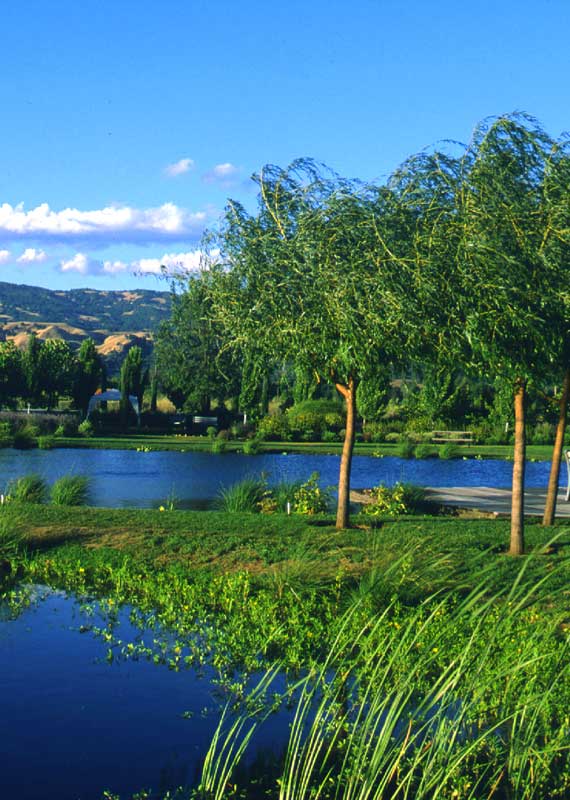
Brownfield projects remediate damaged land, creating clean, highly developable properties, often with good access to utility and public infrastructure. Focusing development on brownfields restores vacant lands, reconnecting communities ravaged by industrial waste and abandonment.
In addition, techniques for remediating brownfields may restore water quality and wildlife habitat on marginal sites—many brownfields are located along urban waterways in need of ecological restoration. Brownfield development can often take advantage of creative financing packages offered by state and local governments that aim to focus economic activity in depressed or abandoned areas.
Actual remediation not always necessary
You can occasionally earn this credit even if no actual remediation is performed, because brownfields are often designated as such simply because of the perception that contamination is present due to a site’s history of use, abandoned or derelict condition, adjacent industrial sites. If investigation finds that contamination is not present despite the brownfield determination, you can still earn the credit.
What’s the catch?
If a site’s owner uncovers information that leads to the site being classified as a brownfield in need of remediation, then the owner will need to perform the remediation in order to qualify for the credit. This will require detailed site investigation to understand the nature of contamination and the steps needed for remediation.
- Remediation can be expensive, both in terms of cost and time. Begin the Environmental Assessment process early to avoid design and permitting problems in later phases.
- Weigh the value of the remediated property against cleanup costs to determine whether the site is economically viable for redevelopment.
- Work with your community as early as possible in the project to communicate the goals of site remediation and eventual use of the property. Good communication will help to prevent misunderstandings and the potential for legal issues. Professional facilitators can be helpful in developing your relationship with the community and building a strong local partnership.
- Brownfield owners become part of the chain of title, and as such, are partly responsible for environmental liability for the property. However, there are established legal ways to reduce the risk that you will be sued for costs of environmental cleanup or personal injury. Consult an attorney experienced in brownfield real estate law before entering into your purchase.
- Buyer and seller can work out financial responsibility for liabilities during the sale transaction.
- Environmental liability insurance can insure against unknown cleanup costs or cap the policyholder’s liability for cleanup cost overruns.
- Federal and state governments have devised special programs to encourage brownfield reuse, including special protection from liability.
Steps to evaluate your site for contamination
- If you suspect that your project site is contaminated, but it has not been designated a brownfield by a local, state, or federal agency, you will need to conduct a preliminary assessment to establish the likelihood of contamination.
- This study is a Phase I Environmental Site Assessment (ESA), ASTM E1903-11. Phase I looks at prior land use records, including use of adjacent and nearby sites. It does not require special soil tests and must be performed by an environmental professional.
- A Phase I ESA is not necessary if the site has a clear indication of contamination from previous development, such as underground storage tanks for hazardous substances, or if the site was historically used for heavy industry.
- If the contamination is obvious, or the Phase I study indicates the likelihood of contamination, then further development will require a Phase II ESA (ASTM E1903-11). Phase II requires soil testing to measure the degree of contamination, determine whether remediation is required, and outline proposed steps for remediation.
Questions to consider before approaching this credit
- Has the site already been remediated to an appropriate standard for redevelopment? This may be the case if a previous owner sought to develop the property and performed remediation as a condition of sale.
- Are there known or obvious contaminants (eliminates need for Phase I Environmental Site Assessment)?
- Has a Phase II Environmental Site Assessment been conducted on the site?