
The basic strategies for achieving this credit are:
- having light-colored hardscapes with solar reflectance index (SRI) of at least 29;
- shading hardscapes with architectural devices, structures, or trees;
- shading with solar panels;
- using open-grid paving;
- or locating parking areas under cover.
Most projects that pursue this credit already have one of the strategies in place before the performance period. Existing buildings that don’t have compliant hardscapes usually don’t end up pursuing this credit. The upfront expenses for altering existing hardscapes are fairly high, and teams often don’t find the benefit to be worth the cost.
Covered parking is the most common
The majority of projects choose to pursue this credit through the fourth option: locating at least 50% of parking spaces under cover.
If the top level of a parking garage is not covered, it is not considered a roof and is not subject to requirement of having an SRI of at least 29. The parking spaces at that level are included in the calculation of total parking spaces, and would, naturally, count as uncovered.
If parking is directly covered by a roof, like a carport for example, the roof surface must have an SRI of at least 29 and a cleaning program must be implemented to maintain reflectance. Alternatively, the roof surface can be vegetated or be covered in solar panels.
Other strategies are more rare
Some projects earn this credit with light-colored hardscape, but only rarely do projects try to demonstrate compliance using shading from trees or architectural devices. This option requires architectural drawings or modeling tools to document, so even you have adequate shading, you may not have these documentation tools at your disposal.
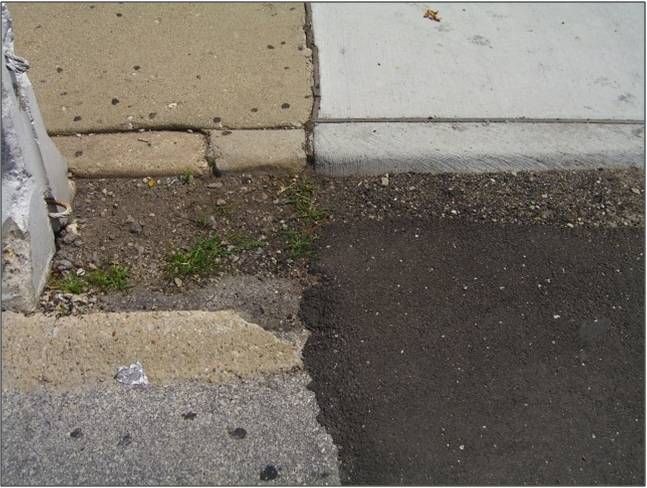 Open-grid paving is also a fairly rare strategy for achieving this credit, as it is expensive to install and is not frequently found in existing buildings. Even if a building’s hardscape is at the end of its life and must be replaced, open-grid paving comes with a higher first cost than traditional hardscapes like concrete or asphalt due to additional engineering and construction costs. But if your project already has open-grid paving, this could be a viable option for you. It is most frequently used for parking areas or outdoor patio spaces.
If you don't provide onsite parking facilities you can also earn this credit, provided that no nearby offsite parking facilities are leased or owned by the building owner, property manager, or tenants for use by building occupants.
Consider these questions when approaching this credit
If you answer at least one of the following questions with a “yes,” then it’s definitely worth investigating this credit further.
- Do you already have underground parking or a parking garage?
- Do you have concrete paving on more than 50% of your site’s hardscape? Concrete can meet the SRI requirement for hardscapes if cleaned at least every two years.
- Are parking areas covered by any architectural devices or shaded by vegetation or solar panels?
- Do you have open-grid paving?