
Even if your building is technically compliant, this credit is very difficult because the documentation requirements are extremely demanding. The only exception is projects that have previously earned a Daylight and Views credit through one of the other LEED rating systems—all you’ll need to do is provide your LEED scorecard verifying that you achieved the credit.
What types of projects should consider this credit?
If your building was designed to maximize daylight and views, it’s likely that your project is compliant, and you’ll have a better chance of documenting compliance—just be aware that the requirements are still burdensome. You can get a rough idea of whether your building is compliant by doing a walk-through with a light meter and spot-checking daylight levels, and by sitting in a random sample of workstations to see if occupants have a direct line of sight to the outdoors.
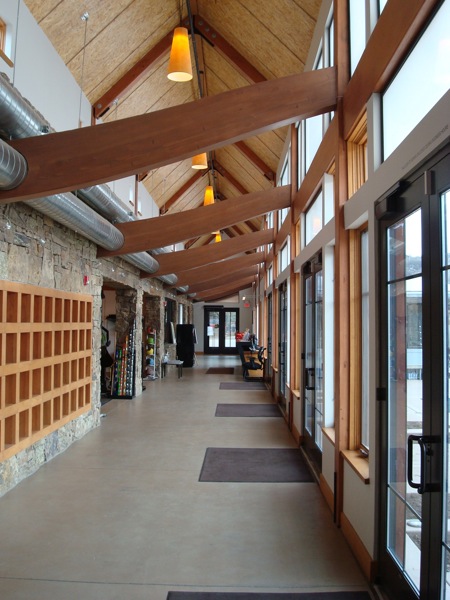 More specifically, your project has a greater chance of documenting credit compliance if the following is true:
- The building has shallow floor plates, with regularly occupied spaces located toward the building perimeter
- Daylight simulation or prescriptive analysis was performed during the initial building design
- Electronic floor plans are readily available
- Individual workstations were designed to incorporate views to the outdoors from the seated position
- The project achieved a Daylight and Views credit under another LEED rating system
What types of buildings might not want to consider this credit?
Buildings that were not designed specifically with daylighting and views in mind are less likely to be compliant and will have quite a bit of difficulty putting together the supporting documentation.
Your project is less likely to meet the requirements if the following is true:
- The building has deep floor plates
- Private offices are located around the perimeter, with large numbers of cubicle-style workstations located toward the building core
- The windows are heavily tinted
- Electronic floor plans are not easily accessible
- Your building is large and has a variety of tenant interiors and floor configurations
OK, but I still want to pursue this credit … now what?
If you didn’t achieve a Daylight and Views credit under another LEED rating system, you have a variety of other options to choose from for documenting credit compliance.
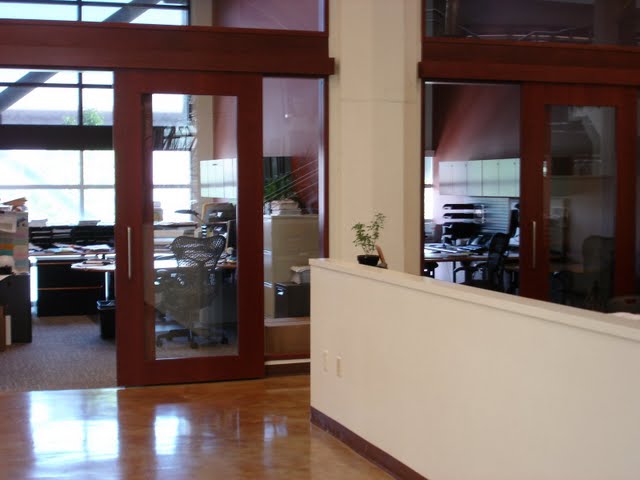 There are three paths under the Daylight option, but only one of these—measurement—is very practical for most teams. (The exception is buildings that had a simulation or analysis performed during the initial design, for which records are easily accessible.) The Views option is much easier to document, and most teams that meet the Daylight requirements also meet the Views requirements—so the majority of projects choose to document the credit using the Views option.
All the options require you to provide the total area of regularly occupied spaces, as well as the total area of compliant regularly occupied spaces in the building. This means identifying each regularly occupied space, assessing its compliance with the credit requirements, and then taking a measurement of the area.
You’ll also need to provide comprehensive supporting documentation no matter what option you pursue. This could mean daylight simulation results, floor plans noting daylight measurements, sectional drawings showing direct line of sight to the outdoors, etc.

Consider these questions when approaching this credit:
- Did your project building earn the Daylight or Views credit during a previous LEED Design & Construction certification? If so, your team will automatically earn this credit by providing a copy of the USGBC-generated LEED scorecard from the previous certification.
- Did your project building's design include daylight modeling or prescriptive analysis of daylight in occupied spaces? If so, these may be reasonable compliance paths for your team to pursue.
- Does a large percentage of regularly occupied space have access to daylight through skylights or clerestories? If so, your team may wish to pursue the daylight measurement compliance path.
- Do at least half of your regularly occupied spaces have access to views, defined as having a direct line of sight to vision glazing measured at the seated position? And does the project have a reasonable way to collect area measurements of the regularly occupied spaces in the building? If so, then your project team may wish to pursue the Views compliance option.