
Earning this credit doesn’t depend on using water efficiently. It simply requires you to install meters to measure overall water use and subsystem water use. As the saying goes, “If you can’t measure it, you can’t manage it.”
In addition to installing meters, you’ll have to collect meter data at least on weekly intervals, and establish processes for using that information to optimize water performance. Meters that you own must also be calibrated according to manufacturer’s recommendations.
Option 1 is easy
Option 1 gives you one point for installing permanent meters to measure all water use consumed for the entire building and associated grounds. The meters can be owned by a utility or another third party.
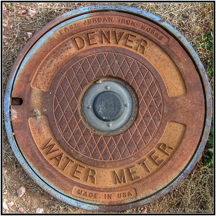
Achieving Option 1 is usually easy, except in campus or multi-building situations, where water metering at the building-level isn’t in place or isn’t easily installed.
Option 2 can also be worth it
You can earn an additional point through Option 2, which requires that you meet Option 1 and install a submeter on at least one water subsystem:
- Landscape irrigation
- Indoor plumbing and fixtures
- Cooling tower makeup water
- Domestic hot water
- Process water.
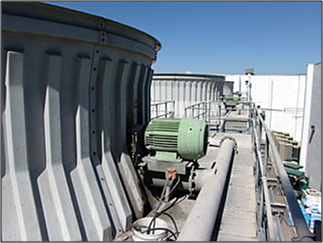 The most common metering choices for Option 2 are landscape irrigation and cooling towers. One reason is that utilities will often provide a discount on sewer charges for water consumption from these uses, which can mean significant financial savings.
Consider these questions when approaching this credit
- Is metering currently in place to determine the total water consumption of the project building and grounds, either in the form of a single overall meter or multiple submeters? If meters exist, obtaining Option 1 is quite easy, and Option 2 may also be easy.
- How frequently is water consumption data currently recorded and by whom? The credit requires a weekly reading, at a minimum. Should automatic loggers or manual readings be used to satisfy the credit requirements?