
To earn this credit, you’ll need to reduce your use of potable water for irrigation by 50%–100% compared with a baseline irrigation system typical for the region. Because landscape irrigation can account for nearly 40% of the average office building’s potable water consumption, reducing or eliminating potable water use for landscaping can save a lot of water, and money.
Planting native or drought-tolerant plants, retrofitting existing irrigation systems, installing high-efficiency irrigation technologies, and reusing graywater for landscape irrigation will all help you make strides toward this credit while also reducing maintenance costs. You’ll need to make investments to implement some of these strategies, but many municipalities provide incentives for efficient irrigation technologies and controls.
Start with a walkthrough of the irrigation system
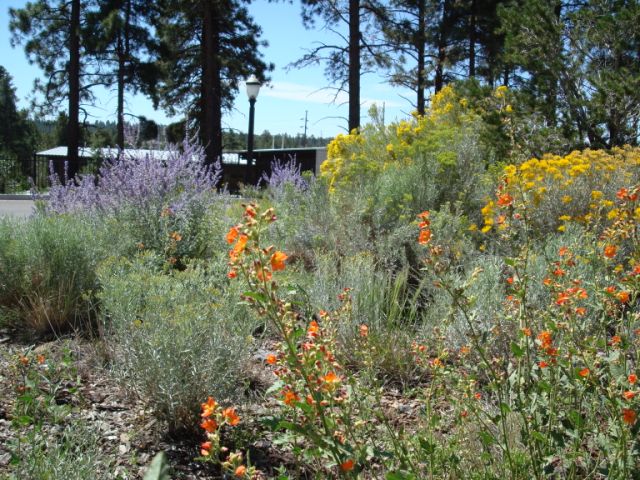
Start by conducting a walk-through of the irrigation system while it is in operation. Basic problems like leaks, faulty and broken components, and overwatering are easy to identify and fix. To reduce the need for irrigation, choose landscaping that is compatible with the site’s climate and microclimate, sun exposure, soil type, drainage and topography. In hot, dry climates, focus on drought-tolerant plants and xeriscaping, while reducing or eliminating turf grass. If turf grass is necessary, select a species that can endure periods of drought.
In hot, humid, and temperate climates, use native plants alongside weather-sensitive irrigation systems or moisture sensors to avoid unnecessary watering. Using captured rainwater can help eliminate the need for potable water in landscape maintenance. In cold climates, the project team should install hardy, native plants and trees that will survive through the winter months.
A lot of regional variations
Because irrigation practices differ widely among regions and building types, there are a variety of strategies for maximizing water-efficient landscaping practices and assessing and documenting compliance with this credit. Your available choices will depend on the systems already in place on your building site and your ability to modify or replace those systems if necessary. Additionally, local and municipal restrictions, incentives and support resources will vary significantly from location to location. Carefully review the compliance options and methodologies described in the LEED-EBOM Reference Guide to determine the appropriate best practices for your situation.
Consider these questions before pursuing this credit
- Is potable water consumption for irrigation being sub-metered? Are records of irrigation water consumption from previous years available?
- Do you have landscaping plans that show species composition and areas?
- Are there local, regional, state programs that assess irrigation performance in your area?
- What opportunities exist to incorporate native and adaptive landscaping onto the project site?
- What opportunities exist to optimize or upgrade the irrigation system?
- Could graywater or captured rainwater be used to meet irrigation needs in whole or in part?