
Mitigating 15% of stormwater for this credit may be more doable than you think. If a site was not designed with stormwater mitigation in mind, or does not have the benefit of extensive vegetated areas relative to the amount of impervious site area, you may need to make a significant investment in strategies like cisterns, green roofs, water retention features, and detention ponds. However, a typical project site may have a favorable ratio of vegetated area to impervious hardscape that would naturally mitigate enough stormwater runoff, eliminating the need for major modifications in order to achieve this credit. While it is important to have a professional calculate the required amount of vegetated area needed, a hardscape-to-vegetated area ratio of as much as five-to-one may be suitable.
Assess current conditions, then develop a plan
Owners and facility managers can assess current conditions and, if necessary, work closely with a stormwater engineer or other professional to determine an effective stormwater management plan that is appropriate to the site’s climate, topography and local stormwater ordinances.
The approach for achieving this credit varies dramatically across different regions and climate zones. The strategies employed in an urban environment, where water is discharged to a municipally controlled and maintained master system, will vary significantly from the approach for a rural project that discharges to smaller streams or lakes with higher water quality standards. Regions that are generally dry and need to retain and reuse rainwater, but also have seasonally heavy rainfall, can benefit greatly from collection and storage strategies.
Consider these questions before pursuing this credit
- Is the ratio of pervious to impervious surfaces likely to bring the project to compliance through natural infiltration strategies?
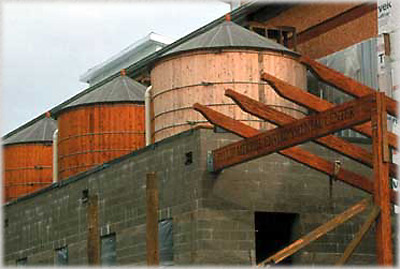
- Do rainwater collection systems such as cisterns, detention ponds, and bioswales already exist onsite? If so, are there design or construction documents demonstrating their capacity? If not, is it feasible to introduce rainwater collection to the site? What are the likely costs and efforts associated with this?
- What opportunities are there for increasing pervious areas?
- What opportunities exist for expanding vegetated areas with low-runoff coefficients?