
Outdoor air delivery monitoring ensures that the ventilation system, whether natural or mechanical, provides enough fresh air to occupants. The credit requires carbon dioxide (CO2) and outdoor airflow monitors that signal when fresh air is needed according to minimum set points defined by ASHRAE 62.1-2007. Typical ventilation design (without monitors) tends to encourage increased ventilation that may result in increased energy use and added cost for conditioning increased amounts of outside air. However, the addition of sensors and monitors allows ventilation to be delivered on demand only when required, potentially saving a lot of energy during unoccupied hours in spaces with varying occupancy.
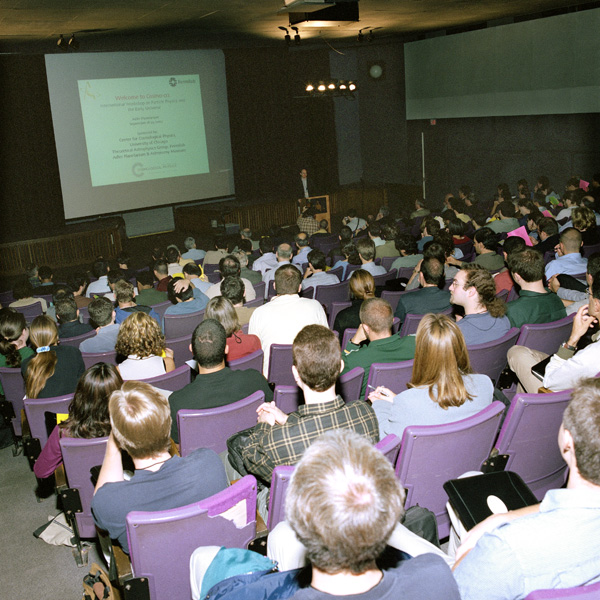
Good for buildings with varying occupancy rates
For buildings with varying occupancy rates and centralized mechanical systems, like offices and schools, the added cost should be minimal, and the systems will probably reduce energy bills, offering good return on investment. High-density areas like conference rooms, theaters, and congregation spaces are a particularly good match for this credit.
In multifamily or hotel projects, or any building with numerous isolated mechanical systems or natural ventilation, more sensors will be needed, making this credit relatively expensive to pursue.
Use these questions to help explore this credit
- Will the project have natural, mechanical or mixed-mode ventilation?
- If the project is mechanically ventilated, will it be a centralized system? Centralized systems can achieve this credit more cost-effectively.
- If naturally ventilated, will the project include designs that allow for adequate ventilation without human interaction?
- Will the design include a BMS or demand control ventilation? These systems can make credit achievement easier.
- What is the cost increase associated with CO2 sensors and outdoor air monitors?
- Does the local utility offer any rebates on incentives on CO2 sensors, outdoor air flow monitors or demand control ventilation?
- If the project is a hotel or multifamily, does installing CO2 sensors in each room seem cost-effective and beneficial?
- If the project is a laboratory, can CO2 and other small particulates be monitored to provide ventilation only when needed? If so, this credit can be very cost-effective.
- Are CO2 sensors or outdoor air monitors compatible with existing mechanical equipment and is the building owner willing to install these monitoring systems?
- Which spaces are densely occupied and which are non-densely occupied?