
After having documented your project building's energy performance for EAp2: Minimum Energy Efficiency Performance, EAc1 will require you to focus closely on improving operational performance and, in some cases, upgrading to more efficient equipment. Use your energy audit results from EAp2 to develop your strategy. Identify and implement no-cost and low-cost opportunities to reduce energy consumption, such as changing heating and cooling set points by one or two degrees and reminding occupants to turn off lights and office equipment when not in use. Capital investments may see relatively prompt paybacks because of reduced utility costs and the likelihood of incentives through federal or regional programs.
Track at least 12 months of energy data
All project teams are required to use EPA’s Energy Star Portfolio Manager to track a minimum 12 months of data for all energy consumption. The data is then benchmarked based on source Energy Use Intensity (EUI) to show compliance. Source EUI incorporates efficiency factors into an analysis of the total amount of raw fuel (or “source energy”) used to operate the building, rather than using the more limited measure of site energy, which reflects the amount of utility heat and electricity consumed at the building. Most buildings will benchmark through Energy Star and document the prerequisite through Case 1. Those not eligible for an Energy Star rating will use summary data generated in Portfolio Manager in conjunction with protocols provided by USGBC to complete benchmarking calculations and document the prerequisite and credit through Case 2.
Energy Star eligibility
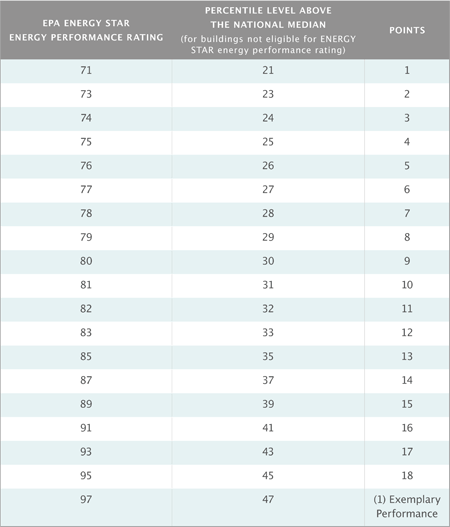
Twelve building space types are eligible for Energy Star ratings. Typically, if at least 50% of the building’s gross floor area (excluding parking lots and garages) is classified as one of the following space types, the project is eligible and must use Case 1:
- bank or financial institution
- courthouse
- dormitory
- hospital
- hotel (upper upscale, upscale, midscale with food and beverage, midscale without food and beverage, and economy and budget properties)
- K–12 school
- medical office
- office
- retail store
- supermarket or grocery store
- warehouse (refrigerated and nonrefrigerated)
- wastewater treatment plant
To ensure national comparability, climate data is used to normalize energy consumption to compare the project building to similar buildings in similar climate zones, eliminating potential regional variations. However, it may be easier in certain regions to improve a building’s efficiency based on city or state policies. For example, savings achieved through energy-efficiency improvements may qualify your project for state and local utility incentive programs. Ask local utility providers about incentives and rebate programs.
Consider these questions before pursuing this credit
- Is the project building eligible to receive an Energy Star rating using Portfolio Manager? If not, will the project building use Option B or Option C?
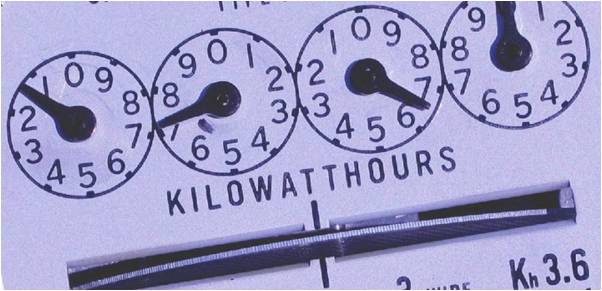
- Are all sources of energy serving the project building, including that consumed by district energy systems, metered? Are consumption data points available for intervals no longer than 65 days?
- Do you have at least 12 consecutive months of metering data for all types of energy used in the building?
- What opportunities are there for improving energy performance through operational changes identified by an ASHRAE Level 1 Walkthrough Audit? What opportunities exist for improving energy performance through equipment upgrades?
- Is comprehensive commissioning likely to uncover significant energy savings opportunities?